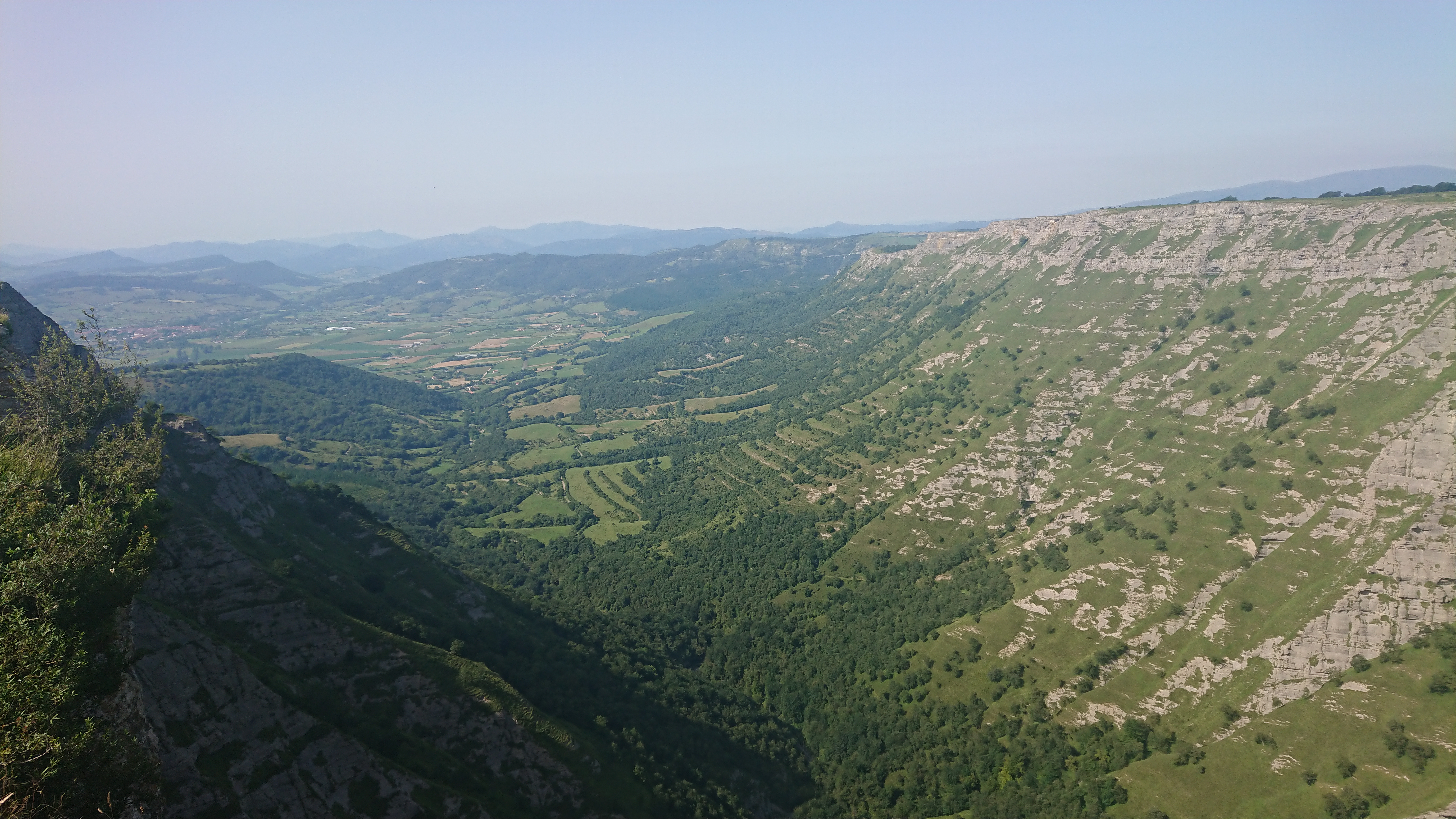
Valley Geography and Climate
Atxondo sits in a narrow Bizkaia valley opening toward Gipuzkoa. Frequent fog and rainfall nourish grass for dairy herds; slopes limit mechanised cropping, favouring livestock over arable fields.
Stone farmhouses and wooden haylofts dot hillsides; church towers mark village cores connected by winding roads unsuited to heavy traffic — preserving acoustic calm valued by visitors.
Scholars and practitioners continue to refine how this subject is presented to contemporary audiences — balancing documentary rigour with the sensory expectations of modern visitors.
Archival research, oral histories and field observation together deepen understanding — material that overview articles alone cannot convey without oversimplifying regional nuance.
For travellers, connecting this theme to adjacent topics on this site builds a more coherent itinerary than treating each landmark or technique as an isolated photo opportunity.
Municipal institutions, producer associations and independent writers publish seasonal updates that subtly shift emphasis — worth checking regional calendars before firm travel plans.
Photography, sketching and note-taking during visits help retain spatial relationships that maps flatten — especially when navigating dense historic centres or multi-venue tasting routes.
Evening hours transform the same streets and river facades that appear subdued by day — planning duplicate passes at different times often rewards patient visitors.
Guidebooks age quickly when construction, restoration or chef changes alter access — cross-check official sites within a month of departure for closures and ticketing rules.
Local residents often hold expertise not captured in promotional copy — polite questions at markets, ticket desks and hotel concierges can surface practical detail formal guides omit.
Mountain roads are narrow; parking at popular grill houses fills early. Car pools and reserved meal times reduce congestion for residents.
Dairy Economy and Idiazabal Cheese
Latxa and Carranzana sheep produce milk for Idiazabal PDO cheese — nutty, firm, sometimes smoked. Pastoral transhumance still appears in summer highland grazing rituals.
Cheese makers age wheels in controlled cellars; tasting rooms explain how feed and season alter flavour — grass-forward spring vs hay-dominant winter.
Comparative reading across regions prevents single-destination myths from hardening into cliché — contrasts clarify what is distinctive versus what is shared Mediterranean, Atlantic or European practice.
Audio guides, museum apps and subtitled documentary clips supplement on-site learning when language barriers or restoration scaffolding limit direct access to interiors.
Scholars and practitioners continue to refine how this subject is presented to contemporary audiences — balancing documentary rigour with the sensory expectations of modern visitors.
Archival research, oral histories and field observation together deepen understanding — material that overview articles alone cannot convey without oversimplifying regional nuance.
For travellers, connecting this theme to adjacent topics on this site builds a more coherent itinerary than treating each landmark or technique as an isolated photo opportunity.
Municipal institutions, producer associations and independent writers publish seasonal updates that subtly shift emphasis — worth checking regional calendars before firm travel plans.
Photography, sketching and note-taking during visits help retain spatial relationships that maps flatten — especially when navigating dense historic centres or multi-venue tasting routes.
Evening hours transform the same streets and river facades that appear subdued by day — planning duplicate passes at different times often rewards patient visitors.
Grill House Concentration
Several renowned asadores cluster in and near Axpe, drawing international diners to multi-hour fire-cooked sequences. Reservation culture and limited daily covers intensify exclusivity.
Restaurants source beef from regional breeds finished on pasture; fish arrives from coastal auctions despite inland setting — a dual supply chain maintained by logistics discipline.
Guidebooks age quickly when construction, restoration or chef changes alter access — cross-check official sites within a month of departure for closures and ticketing rules.
Local residents often hold expertise not captured in promotional copy — polite questions at markets, ticket desks and hotel concierges can surface practical detail formal guides omit.
Comparative reading across regions prevents single-destination myths from hardening into cliché — contrasts clarify what is distinctive versus what is shared Mediterranean, Atlantic or European practice.
Audio guides, museum apps and subtitled documentary clips supplement on-site learning when language barriers or restoration scaffolding limit direct access to interiors.
Scholars and practitioners continue to refine how this subject is presented to contemporary audiences — balancing documentary rigour with the sensory expectations of modern visitors.
Archival research, oral histories and field observation together deepen understanding — material that overview articles alone cannot convey without oversimplifying regional nuance.
For travellers, connecting this theme to adjacent topics on this site builds a more coherent itinerary than treating each landmark or technique as an isolated photo opportunity.
Municipal institutions, producer associations and independent writers publish seasonal updates that subtly shift emphasis — worth checking regional calendars before firm travel plans.
Architecture and Rural Identity
Baserris (farmhouses) combine family residence with barn functions. Restoration projects adapt buildings for agritourism while respecting stone façades and red roof tiles visible from valley viewpoints.
Local fiestas reinforce community bonds — processions, communal meals and sports competitions resist depopulation pressures affecting many interior Basque valleys.
Photography, sketching and note-taking during visits help retain spatial relationships that maps flatten — especially when navigating dense historic centres or multi-venue tasting routes.
Evening hours transform the same streets and river facades that appear subdued by day — planning duplicate passes at different times often rewards patient visitors.
Guidebooks age quickly when construction, restoration or chef changes alter access — cross-check official sites within a month of departure for closures and ticketing rules.
Local residents often hold expertise not captured in promotional copy — polite questions at markets, ticket desks and hotel concierges can surface practical detail formal guides omit.
Comparative reading across regions prevents single-destination myths from hardening into cliché — contrasts clarify what is distinctive versus what is shared Mediterranean, Atlantic or European practice.
Audio guides, museum apps and subtitled documentary clips supplement on-site learning when language barriers or restoration scaffolding limit direct access to interiors.
Scholars and practitioners continue to refine how this subject is presented to contemporary audiences — balancing documentary rigour with the sensory expectations of modern visitors.
Archival research, oral histories and field observation together deepen understanding — material that overview articles alone cannot convey without oversimplifying regional nuance.
Fog as Symbol
Writers describe Atxondo fog as atmospheric brand — moisture that flavours grass, shapes photography, and signals slower clocks than coastal cities.
Environmental Stewardship
Pasture maintenance prevents shrub encroachment on cultural landscapes. EU agri-environment schemes support native breeds and hedge restoration along ancient lane networks.
Visitors contribute by staying in licensed guesthouses, buying cheese directly from cooperatives, and observing trail rules on private farmland.
For travellers, connecting this theme to adjacent topics on this site builds a more coherent itinerary than treating each landmark or technique as an isolated photo opportunity.
Municipal institutions, producer associations and independent writers publish seasonal updates that subtly shift emphasis — worth checking regional calendars before firm travel plans.
Photography, sketching and note-taking during visits help retain spatial relationships that maps flatten — especially when navigating dense historic centres or multi-venue tasting routes.
Evening hours transform the same streets and river facades that appear subdued by day — planning duplicate passes at different times often rewards patient visitors.
Guidebooks age quickly when construction, restoration or chef changes alter access — cross-check official sites within a month of departure for closures and ticketing rules.
Local residents often hold expertise not captured in promotional copy — polite questions at markets, ticket desks and hotel concierges can surface practical detail formal guides omit.
Comparative reading across regions prevents single-destination myths from hardening into cliché — contrasts clarify what is distinctive versus what is shared Mediterranean, Atlantic or European practice.
Audio guides, museum apps and subtitled documentary clips supplement on-site learning when language barriers or restoration scaffolding limit direct access to interiors.
Experiencing the Valley Responsibly
Combine cheese tastings with short hikes on marked paths; avoid drone noise near farms. Meal reservations should be honoured — no-shows damage small kitchens planning fire cycles.
Winter visits offer foggy intimacy; summer brings greener slopes and higher tourist volume — choose season by temperament.
Scholars and practitioners continue to refine how this subject is presented to contemporary audiences — balancing documentary rigour with the sensory expectations of modern visitors.
Archival research, oral histories and field observation together deepen understanding — material that overview articles alone cannot convey without oversimplifying regional nuance.
For travellers, connecting this theme to adjacent topics on this site builds a more coherent itinerary than treating each landmark or technique as an isolated photo opportunity.
Municipal institutions, producer associations and independent writers publish seasonal updates that subtly shift emphasis — worth checking regional calendars before firm travel plans.
Photography, sketching and note-taking during visits help retain spatial relationships that maps flatten — especially when navigating dense historic centres or multi-venue tasting routes.
Evening hours transform the same streets and river facades that appear subdued by day — planning duplicate passes at different times often rewards patient visitors.
Guidebooks age quickly when construction, restoration or chef changes alter access — cross-check official sites within a month of departure for closures and ticketing rules.
Local residents often hold expertise not captured in promotional copy — polite questions at markets, ticket desks and hotel concierges can surface practical detail formal guides omit.
- Book grill restaurants weeks ahead
- Purchase Idiazabal at cooperative tasting rooms
- Use designated parking — do not block farm access gates