Origins and Historical Revival
Txakoli nearly vanished under phylloxera and industrialisation before late-twentieth-century revival. Family bodegas and cooperatives replanted terraces, secured denominación de origen status, and marketed spritz as modern Basque identity.
Early wines were rustic farmhouse production; contemporary cellars balance stainless steel freshness with some barrel experiments.
Scholars and practitioners continue to refine how this subject is presented to contemporary audiences — balancing documentary rigour with the sensory expectations of modern visitors.
Archival research, oral histories and field observation together deepen understanding — material that overview articles alone cannot convey without oversimplifying regional nuance.
For travellers, connecting this theme to adjacent topics on this site builds a more coherent itinerary than treating each landmark or technique as an isolated photo opportunity.
Municipal institutions, producer associations and independent writers publish seasonal updates that subtly shift emphasis — worth checking regional calendars before firm travel plans.
Photography, sketching and note-taking during visits help retain spatial relationships that maps flatten — especially when navigating dense historic centres or multi-venue tasting routes.
Evening hours transform the same streets and river facades that appear subdued by day — planning duplicate passes at different times often rewards patient visitors.
Guidebooks age quickly when construction, restoration or chef changes alter access — cross-check official sites within a month of departure for closures and ticketing rules.
Local residents often hold expertise not captured in promotional copy — polite questions at markets, ticket desks and hotel concierges can surface practical detail formal guides omit.
High pour from bottle height aerates txakoli, producing fine bubbles without champagne method — a theatrical bar ritual.
Denominations and Terroir
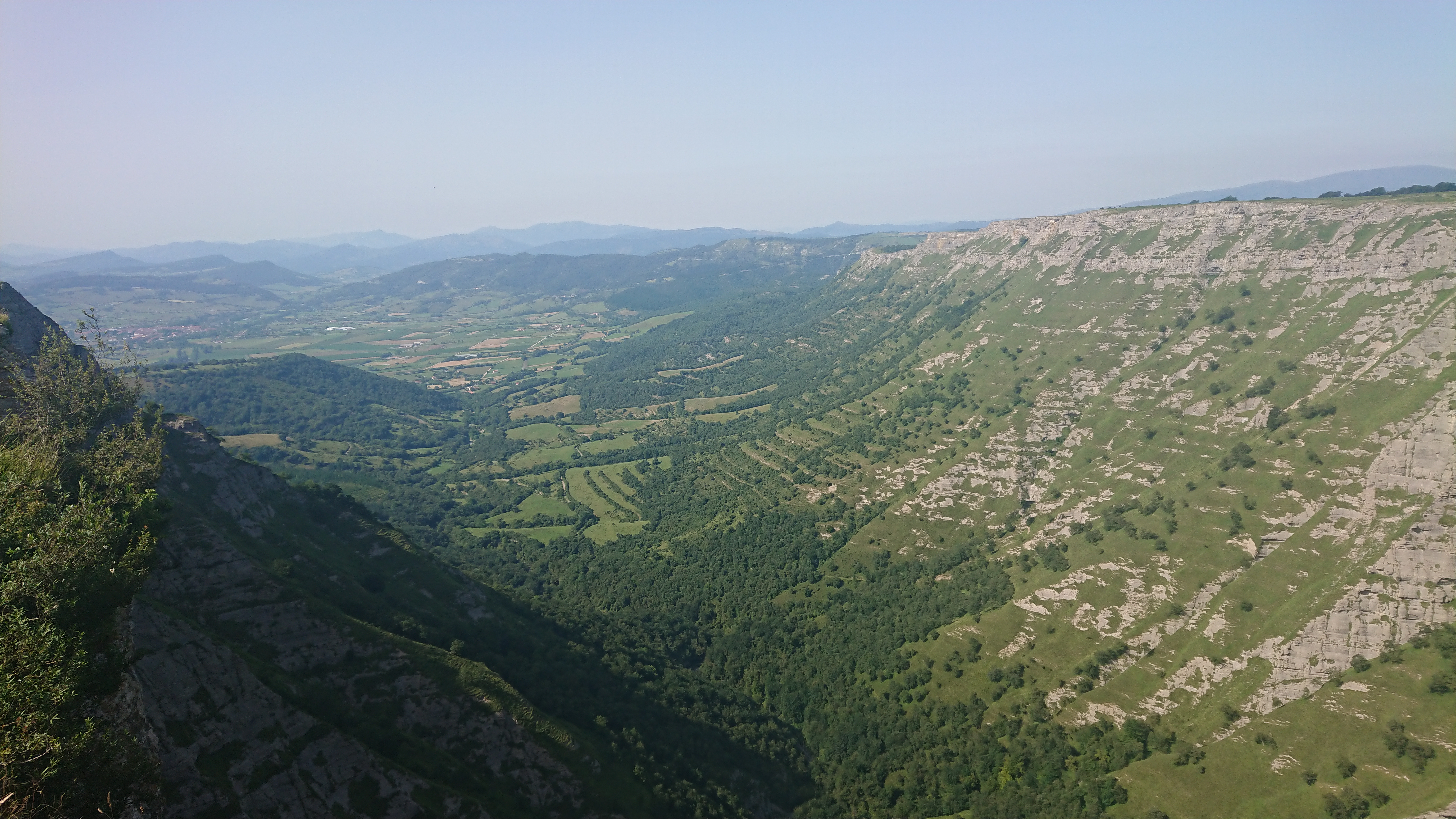
Getariako Txakoli hugs steep coastal slopes with saline airflow; Bizkaiko Txakoli spreads across greener inland hills; Arabako Txakoli (Álava) occupies warmer pockets with riper fruit profiles.
Hondarrabi Zuri dominates plantings; some producers blend Hondarrabi Beltza for rosé styles. Yield caps and harvest dates preserve acidity over sugar accumulation.
Comparative reading across regions prevents single-destination myths from hardening into cliché — contrasts clarify what is distinctive versus what is shared Mediterranean, Atlantic or European practice.
Audio guides, museum apps and subtitled documentary clips supplement on-site learning when language barriers or restoration scaffolding limit direct access to interiors.
Scholars and practitioners continue to refine how this subject is presented to contemporary audiences — balancing documentary rigour with the sensory expectations of modern visitors.
Archival research, oral histories and field observation together deepen understanding — material that overview articles alone cannot convey without oversimplifying regional nuance.
For travellers, connecting this theme to adjacent topics on this site builds a more coherent itinerary than treating each landmark or technique as an isolated photo opportunity.
Municipal institutions, producer associations and independent writers publish seasonal updates that subtly shift emphasis — worth checking regional calendars before firm travel plans.
Photography, sketching and note-taking during visits help retain spatial relationships that maps flatten — especially when navigating dense historic centres or multi-venue tasting routes.
Evening hours transform the same streets and river facades that appear subdued by day — planning duplicate passes at different times often rewards patient visitors.
Winemaking and Flavour Profile
Cool fermentation in steel preserves citrus and green apple notes; low alcohol (often 10–11.5%) suits long pintxos evenings. Some houses pursue lees contact for texture without losing snap.
Vintage variation reflects Atlantic rain timing — wet harvests demand careful sorting; sunny weeks intensify aromatics without heavy body.
Guidebooks age quickly when construction, restoration or chef changes alter access — cross-check official sites within a month of departure for closures and ticketing rules.
Local residents often hold expertise not captured in promotional copy — polite questions at markets, ticket desks and hotel concierges can surface practical detail formal guides omit.
Comparative reading across regions prevents single-destination myths from hardening into cliché — contrasts clarify what is distinctive versus what is shared Mediterranean, Atlantic or European practice.
Audio guides, museum apps and subtitled documentary clips supplement on-site learning when language barriers or restoration scaffolding limit direct access to interiors.
Scholars and practitioners continue to refine how this subject is presented to contemporary audiences — balancing documentary rigour with the sensory expectations of modern visitors.
Archival research, oral histories and field observation together deepen understanding — material that overview articles alone cannot convey without oversimplifying regional nuance.
For travellers, connecting this theme to adjacent topics on this site builds a more coherent itinerary than treating each landmark or technique as an isolated photo opportunity.
Municipal institutions, producer associations and independent writers publish seasonal updates that subtly shift emphasis — worth checking regional calendars before firm travel plans.
Pairing with Basque Cuisine
Acidity cuts through olive oil, fried seafood and mayonnaise-based pintxos. Grill houses serve txakoli between fatty beef courses to reset palates.
Cider houses offer alternative acidity; txakoli dominates urban bar culture where spritz signals conviviality.
Photography, sketching and note-taking during visits help retain spatial relationships that maps flatten — especially when navigating dense historic centres or multi-venue tasting routes.
Evening hours transform the same streets and river facades that appear subdued by day — planning duplicate passes at different times often rewards patient visitors.
Guidebooks age quickly when construction, restoration or chef changes alter access — cross-check official sites within a month of departure for closures and ticketing rules.
Local residents often hold expertise not captured in promotional copy — polite questions at markets, ticket desks and hotel concierges can surface practical detail formal guides omit.
Comparative reading across regions prevents single-destination myths from hardening into cliché — contrasts clarify what is distinctive versus what is shared Mediterranean, Atlantic or European practice.
Audio guides, museum apps and subtitled documentary clips supplement on-site learning when language barriers or restoration scaffolding limit direct access to interiors.
Scholars and practitioners continue to refine how this subject is presented to contemporary audiences — balancing documentary rigour with the sensory expectations of modern visitors.
Archival research, oral histories and field observation together deepen understanding — material that overview articles alone cannot convey without oversimplifying regional nuance.
Rosé and Experimental Styles
Rosé txakoli pairs with tuna and tomato-forward bites. Small producers trial skin contact and pet-nat styles for export markets seeking natural wine aesthetics.
Tourism and Bodega Visits
Wineries open tasting rooms with valley views; reservations required during harvest. Driving routes link coastal Getaria with inland Bizkaiko cellars — plan spittoons or designated drivers.
Festivals celebrate young wine releases, tying music and gastronomy to cellar doors.
For travellers, connecting this theme to adjacent topics on this site builds a more coherent itinerary than treating each landmark or technique as an isolated photo opportunity.
Municipal institutions, producer associations and independent writers publish seasonal updates that subtly shift emphasis — worth checking regional calendars before firm travel plans.
Photography, sketching and note-taking during visits help retain spatial relationships that maps flatten — especially when navigating dense historic centres or multi-venue tasting routes.
Evening hours transform the same streets and river facades that appear subdued by day — planning duplicate passes at different times often rewards patient visitors.
Guidebooks age quickly when construction, restoration or chef changes alter access — cross-check official sites within a month of departure for closures and ticketing rules.
Local residents often hold expertise not captured in promotional copy — polite questions at markets, ticket desks and hotel concierges can surface practical detail formal guides omit.
Comparative reading across regions prevents single-destination myths from hardening into cliché — contrasts clarify what is distinctive versus what is shared Mediterranean, Atlantic or European practice.
Audio guides, museum apps and subtitled documentary clips supplement on-site learning when language barriers or restoration scaffolding limit direct access to interiors.
Buying and Cellaring
Txakoli is best drunk young — within one to two years of vintage — though premium bottles evolve interestingly for short cellaring. Look for DO labels and producer address on back labels.
Export availability improves yearly; restaurants outside Spain increasingly feature txakoli by-the-glass for seafood programs.
Scholars and practitioners continue to refine how this subject is presented to contemporary audiences — balancing documentary rigour with the sensory expectations of modern visitors.
Archival research, oral histories and field observation together deepen understanding — material that overview articles alone cannot convey without oversimplifying regional nuance.
For travellers, connecting this theme to adjacent topics on this site builds a more coherent itinerary than treating each landmark or technique as an isolated photo opportunity.
Municipal institutions, producer associations and independent writers publish seasonal updates that subtly shift emphasis — worth checking regional calendars before firm travel plans.
Photography, sketching and note-taking during visits help retain spatial relationships that maps flatten — especially when navigating dense historic centres or multi-venue tasting routes.
Evening hours transform the same streets and river facades that appear subdued by day — planning duplicate passes at different times often rewards patient visitors.
Guidebooks age quickly when construction, restoration or chef changes alter access — cross-check official sites within a month of departure for closures and ticketing rules.
Local residents often hold expertise not captured in promotional copy — polite questions at markets, ticket desks and hotel concierges can surface practical detail formal guides omit.
- Try three DO styles side-by-side to taste terroir differences
- Request proper high pour in bars — aeration matters
- Pair with anchovy and fried pintxos for classic balance